

Ave Digital Museum
Digital museums have long become part of the cultural landscape. They make heritage more accessible: digitized collections, guides, and exhibition materials can be explored directly from a smartphone.
However, we live in a time when cultural landmarks are once again under threat. Some face the risk of physical destruction, while others have become inaccessible due to occupation or their proximity to active combat zones. Under these circumstances, the digital museum takes on a new role — becoming a window into places and sites that cannot currently be visited.
We are currently working on three upcoming exhibitions: Donetsk Oblast: Unbroken and Unconquered, Ukrainian Ashram, and DESTROYED.
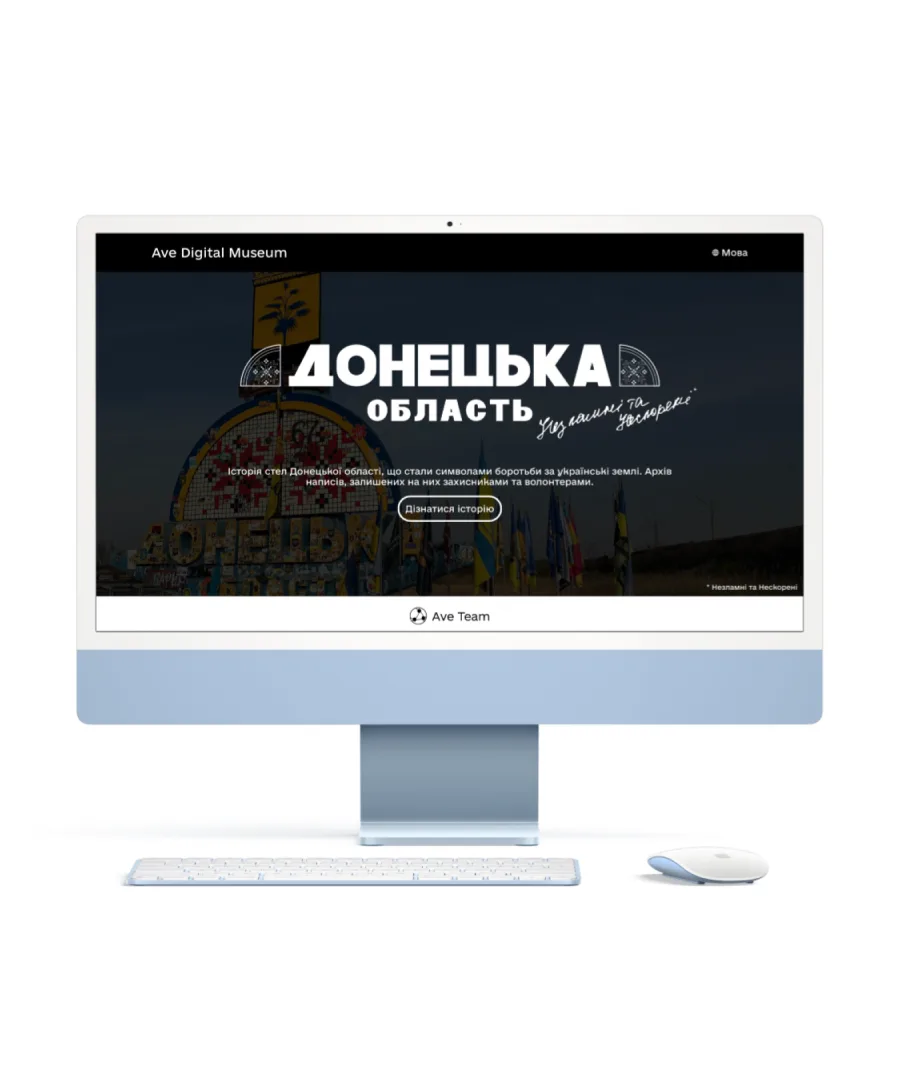
The Donetsk region road steles are not just roadside signs. They are living archives.
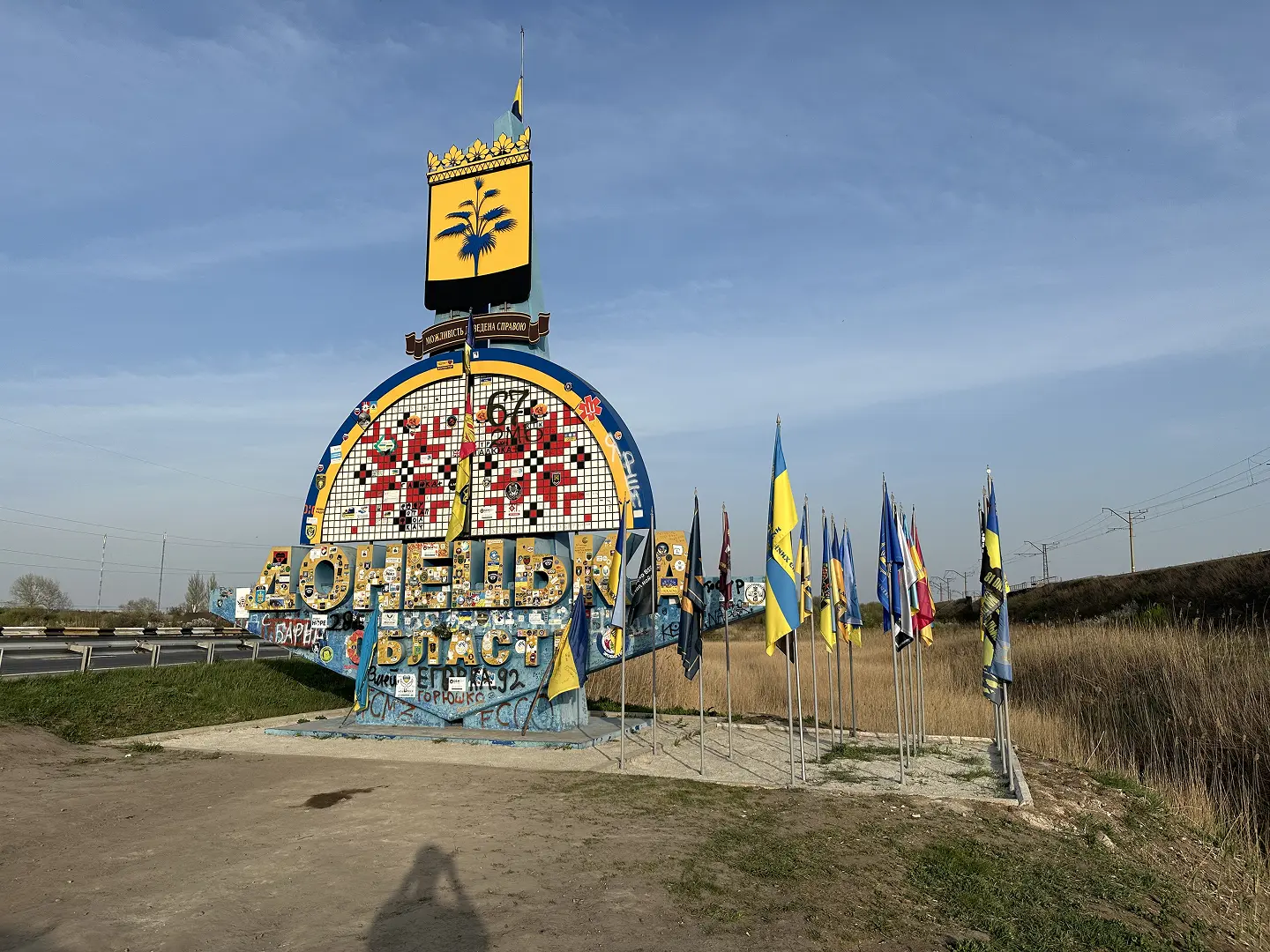
For years, they served as key reference points for those traveling to and from the Donetsk region. Volunteers, soldiers, and local residents left inscriptions, stickers, and signatures on them — memories of journeys or promises to return. Over the years of full-scale invasion, thousands of such marks have appeared.
The Donetsk Oblast stele in the Pokrovsk district is located less than 20 km from the front line. Inscriptions fade in the sun, are washed away by rain, and are covered by new layers — some have already been lost irreversibly. We are collecting a photo archive, digitizing every preserved trace, and reconstructing a chronological record of the stele’s changes in an interactive 3D museum format.
In the future, we also plan to extend the project to the stele in the Kramatorsk district.
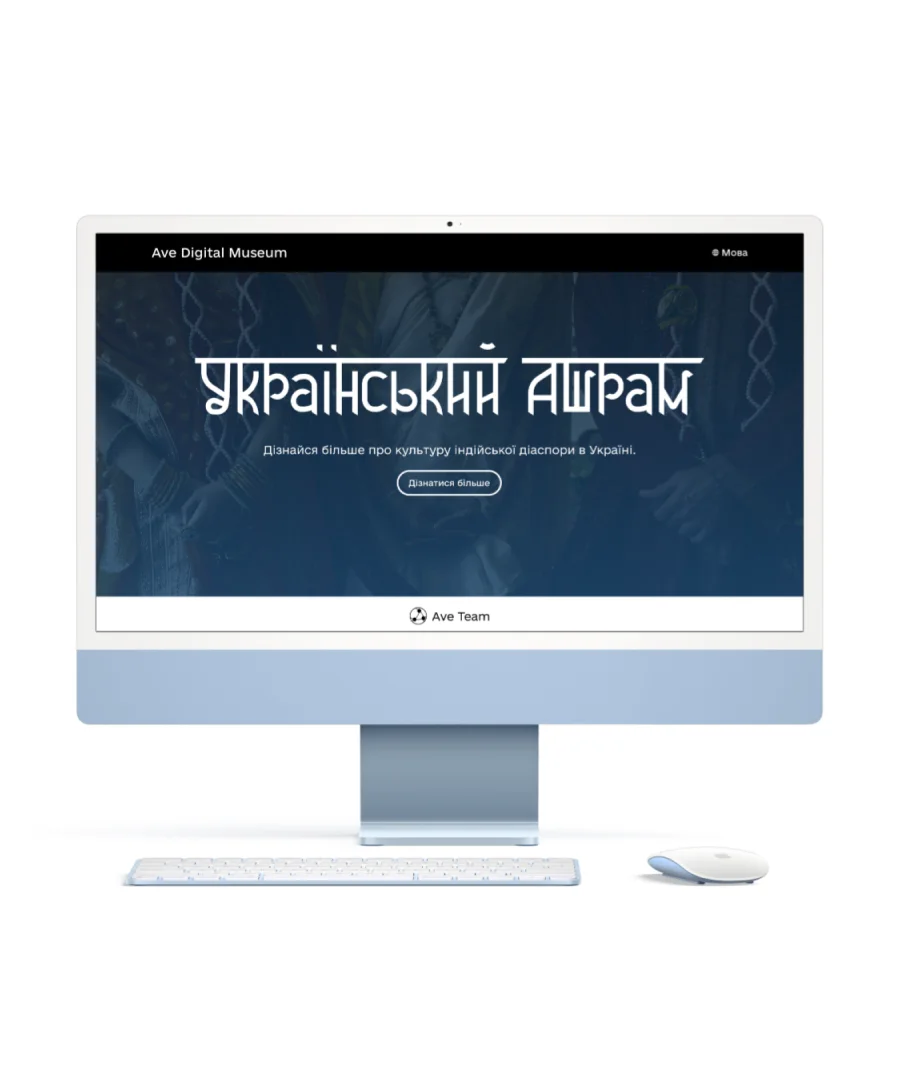
Ukrainian Ashram — the story of the Indian diaspora communities facing the challenges of war.
For decades, representatives of Indian communities in Ukraine have been building dance schools, religious communities, and creative hubs. Their culture is Bharatanatyam on a Kyiv stage, Bengali poetry in a Kharkiv apartment, decorative arts existing in a single workshop. Since the full-scale invasion, part of the community has left, several schools have closed — and these cultural expressions risk disappearing forever.
Together with our partner organization “Ranganatha,” we plan to conduct interviews with members of the diaspora, digitize examples of their art — from manuscripts and costumes to performance recordings — and publish everything in open access. All materials are planned to be released in Ukrainian, English, and Hindi so that audiences in India can learn about this community not from russian sources, but from firsthand voices.
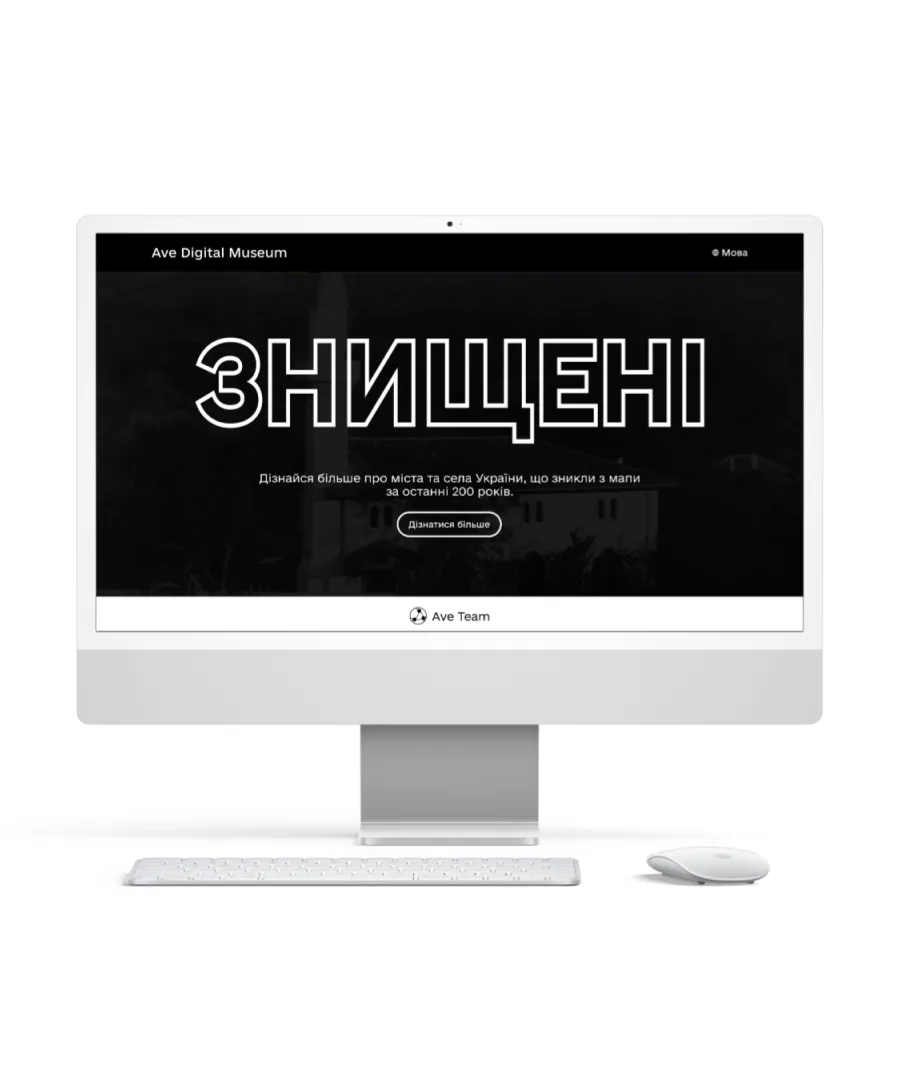
DESTROYED — lost heritage sites of Ukraine, Belarus, and ethnic lands.
Due to wars, occupation, and neglect, hundreds of Ukrainian, Crimean Tatar, and Belarusian heritage sites have disappeared from the map — from religious buildings to entire settlements.
We plan to digitally reconstruct them using archival materials, maps, and drawings. First, physical models of the structures will be created at different stages of their existence, then scanned for a virtual exhibition and video presentations, enriched with photo chronicles, audio accompaniment, and historical context.
The physical models will be transferred to state museums or sold at auctions, with the proceeds directed to charitable organizations supporting Ukraine’s reconstruction.

Learn also about the Ave Digital Archive, which accompanies the Ave Digital Museum and documents the materials used in creating the exhibitions.